

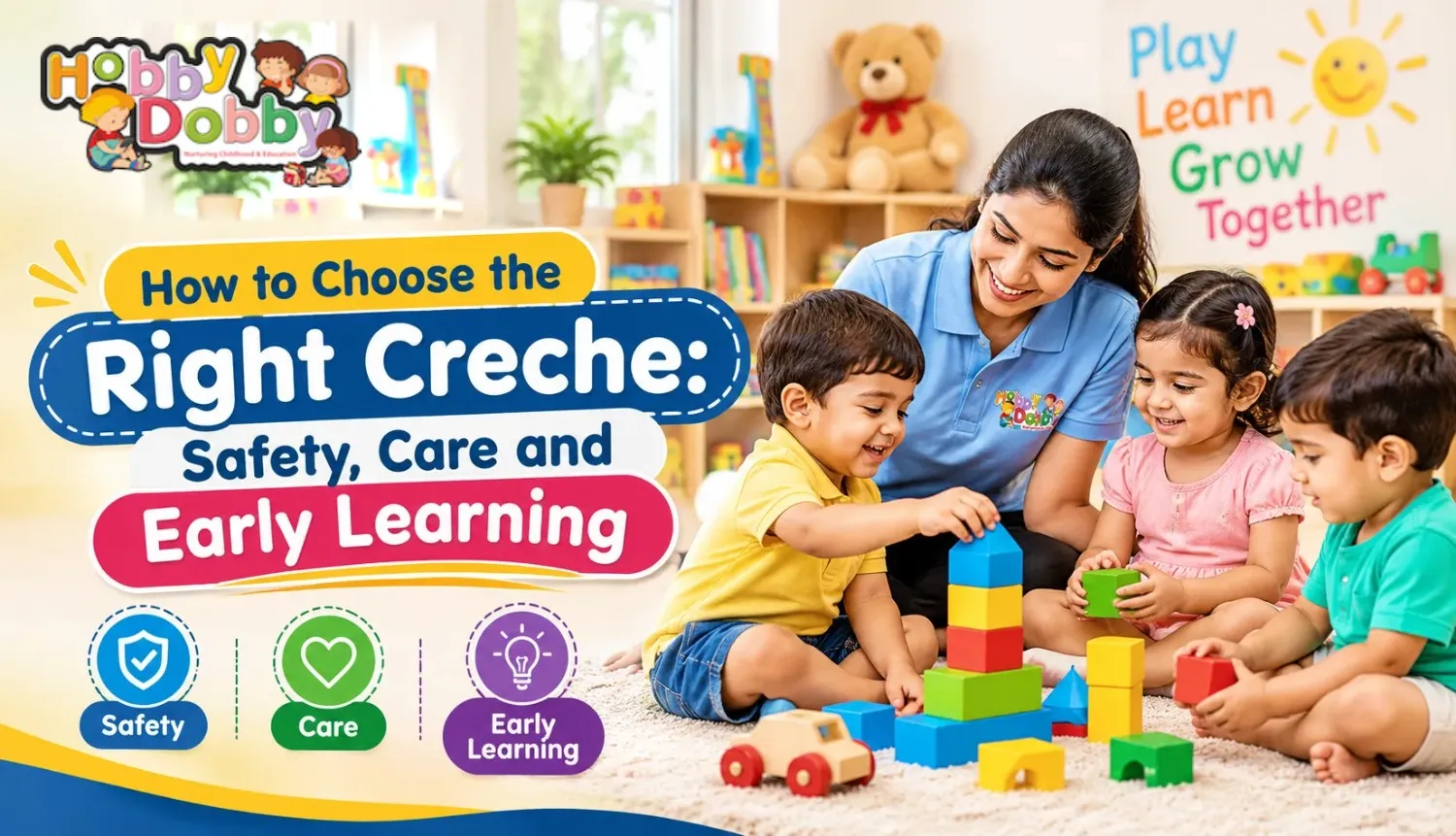
Choose the right creche in Bhubaneswar with practical tips on child safety, caring staff, hygiene, and early learning to support your child's healthy development.
For working parents, choosing a Creche in Nayapalli Bhubaneswar means finding a place where children stay safe, feel cared for, and learn through everyday activities. The right creche should offer attentive supervision, clean surroundings, and age-appropriate early learning.
Leaving a young child in someone else's care is a big decision for any family. Parents want to focus on work without constantly worrying about their child's comfort, meals, sleep, or emotional needs. A suitable creche helps children settle into a routine while giving parents a clearer picture of how their little ones spend the day.
1. Why Choosing the Right Creche Matters
The early years are a period of rapid learning. Children begin developing language, social skills, coordination, and emotional awareness through play and interaction. A well-managed creche gives them opportunities to practise these skills in a supervised setting.
However, every child adjusts differently. Some children begin interacting with others within a few days, while others need more time to feel comfortable. Caregivers should respect these differences instead of expecting every child to follow the same pace.
Parents comparing options for the Best creche in Bhubaneswar should consider the overall quality of care rather than choosing a centre based only on its location or appearance.
2. Safety and Hygiene Should Come First
Safety is one of the first things parents should check during a creche visit. A colourful classroom may look inviting, but the arrangements behind it matter just as much.
Check the Premises and Supervision
Look at the entrance, play area, sleeping space, toilets, and furniture. The premises should be clean, age-appropriate, and free from obvious hazards. Electrical sockets, staircases, sharp edges, and cleaning products should be secured.
Parents should also ask how children are supervised throughout the day. Staff must know who is present, who is collecting each child, and what to do during an emergency.
Useful questions include:
Is entry restricted to authorised visitors?
Are children supervised during indoor and outdoor play?
Is there a clear procedure for emergencies and injuries?
Are staff members trained to respond to common childhood emergencies?
How are authorised pick-ups and unexpected collection changes handled?
Look at Daily Hygiene Practices
Young children often touch shared toys, play on the floor, and need help with personal hygiene. Regular cleaning, safe food handling, handwashing, and clean toilet facilities help reduce the spread of common infections.
Ask how toys, bedding, feeding equipment, and frequently touched surfaces are cleaned. Parents should also understand the centre's policy for children who develop a fever or other symptoms during the day.
3. Understanding Caregiver Attention and Daily Routines
A creche should have enough suitably trained caregivers to meet the needs of the children in their care. The appropriate staff-to-child ratio depends on children's ages, applicable regulations, and the level of support required.
During a visit, observe how staff speak to children. Do they listen when a child cries? Do they respond patiently to questions? Are children encouraged to explore, or are they expected to remain quiet for long periods?
A predictable routine also helps children feel settled. Meals, naps, playtime, storytelling, and outdoor activities should be organised around age-appropriate needs. Parents should receive updates about eating, sleeping, toileting, mood, and any unusual incidents.
A good creche also recognises that children have individual needs. One child may need extra time at drop-off, while another may need help joining group activities. Patient care can make these adjustments easier.
4. How a Creche Supports Early Childhood Development
Early learning does not need to mean long lessons or worksheets. Young children learn through movement, conversation, imitation, play, and exploration.
A thoughtfully planned creche routine can support several areas of development.
Language and Communication
Picture books, songs, storytelling, and everyday conversations introduce new words. Caregivers can encourage children to express their needs, describe what they see, and listen to others.
Social and Emotional Skills
Group play gives children opportunities to share toys, take turns, recognise feelings, and develop friendships. Conflicts may happen, especially among toddlers, so calm guidance is more helpful than punishment or comparison.
Physical Development and Creativity
Drawing, blocks, puzzles, music, supervised movement, and suitable outdoor play support coordination and creativity. Activities should match each child's age and abilities, with enough time for free play and rest.
Parents should ask for examples of the activities children participate in and how staff adapt them for different developmental stages. The aim is to support curiosity and confidence, not to put pressure on very young children to achieve academic milestones early.
5. Questions Parents Should Ask Before Admission
A short visit and conversation with the management can help families make a more informed choice.
Before enrolling a child, parents should ask about:
Care arrangements: Staff qualifications, experience, supervision, and staff-to-child ratios.
Daily schedule: Meals, naps, play sessions, learning activities, and outdoor time.
Food and allergies: Meal arrangements, dietary restrictions, and procedures for managing allergies.
Health support: First-aid arrangements, emergency contacts, illness policies, and medication procedures.
Parent communication: Daily updates, progress discussions, and how concerns are addressed.
Fees and timings: Admission charges, operating hours, holidays, late pick-up rules, and additional costs.
Settling-in support: Whether parents can arrange gradual settling-in visits or shorter initial sessions.
Parents should also notice their child's response during visits. A child may feel shy at first, which is normal. What matters is whether the caregivers respond warmly and give the child time to adjust.
6. Choosing a Creche in Nayapalli and Patrapada, Bhubaneswar
Location matters for busy families. A centre close to home or work can make drop-offs and pick-ups easier, especially when working hours change or traffic causes delays.
Parents searching for a Creche in Patrapada Bhubaneswar can use the same checklist as families comparing centres in Nayapalli. Check the actual daily commute, opening hours, safety arrangements, and availability of care that suits the child's age.
Hobbydobby is an option for parents to explore when researching childcare in Bhubaneswar. Families can visit the Hobbydobby Website to learn more and contact the team for information about available facilities, age groups, timings, and admission procedures. Any specific service or facility should be confirmed directly before enrolment.
A nearby centre can be convenient, but distance should not outweigh safety, caregiver quality, and the child's comfort.
Frequently Asked Questions
1. What should parents look for in the best creche in Bhubaneswar?
Parents should check child safety, hygiene, caregiver qualifications, supervision, staff-to-child ratios, daily routines, communication practices, and age-appropriate activities. A visit can help them assess whether the environment suits their child.
2. At what age can a child join a creche?
The suitable age depends on the centre's admission policy and the child's individual needs. Parents should confirm the minimum admission age, care arrangements for infants or toddlers, and the support available during the settling-in period.
3. How can parents help a child adjust to a new creche?
Begin with short visits if the centre allows them. Explain the routine in simple language, maintain a calm goodbye, and send a familiar comfort item if permitted. Consistent drop-off routines and communication with caregivers can help children settle gradually.
4. Is a creche helpful for early childhood development?
A suitable creche can give children opportunities for social interaction, communication, creative play, movement, and routine-building. The quality of care and the suitability of activities matter more than the number of activities offered.
5. How can parents choose between a creche in Nayapalli and Patrapada?
Compare travel time, opening hours, fees, staff experience, safety arrangements, cleanliness, and the child's response to each environment. Visiting both centres can make the differences easier to assess.
Parents interested in learning more about childcare options through Hobbydobby can use the following contact details to ask about facilities, timings, and admission availability.
Conclusion
Choosing the right creche takes more than checking distance or fees. Parents should look for a safe setting, good caregivers, healthy daily routines, and activities that suit their child's stage of development. Visiting the centre, asking practical questions, and observing how staff interact with children can help families make a confident decision. For parents considering childcare in Bhubaneswar, Hobbydobby is a starting point for making enquiries and learning more about available arrangements.
ENROLL NOW